
"Vista Allegre"
230 article(s) found

Grinding scale Flavor description of Brazilian Coffee beans introduction to the taste manor
Unlike in the past, Brazil's economy is now less dependent on coffee, which accounts for only 8% to 10% of GDP. Before World War II, Brazil accounted for 50% or more of the world's coffee production, and now it is close to 30%. But the country's impact on the world's coffee, especially on coffee prices, is significant. For example, two frost disasters in 1994 caused global coffee.

Introduction of Brazilian Yellow bourbon Coffee Bean Flavor description Grinding scale treatment Manor
Brazil Yellow bourbon Coffee Bean Flavor description Grinding scale treatment Manor Brazil is vividly compared to the giant and monarch of the coffee world. There are about 3.97 billion coffee trees there, and small farmers now grow 75% of Brazil's total coffee production. Brazil produces twice or even three times as many coffee as Colombia, which is the second largest coffee in the world.

Introduction to the method of manor treatment for the grindability characteristics of Brazilian coffee with smooth taste
Baking method: low to deep baking, suitable for a variety of uses. Brazil is vividly compared to the giant and monarch of the coffee world. There are about 3.97 billion coffee trees there, and small farmers now grow 75% of the country's coffee. Brazil produces twice or even three times as many coffee as Colombia, which is the world's second largest coffee producer in eastern Brazil.

Description of the Flavor of Brazilian Red bourbon Coffee introduction to the producing area of Grinding scale
The flavor description of Brazilian red bourbon coffee the taste of grinding scale varieties are introduced in Brazil, and the largest output is Robart coffee. This kind of coffee is sold in the supermarket. Brazil's Robucht coffee, sold under the name Conillon, accounts for 15 per cent of total production. In some estates in the Serrado district of Minas Greais state in southeastern Brazil

Bolivia Coffee Manor production area introduction of boutique Coffee beans Coffee Manor
Although coffee is diverse, Brazilian coffee is suitable for the taste of the public. For example, coffee produced in the northern coastal areas has a typical iodine taste, reminiscent of the sea after drinking. This coffee is exported to North America, the Middle East and Eastern Europe. Another kind of coffee that is interesting and worth looking for is washed Bahia coffee. This kind of coffee is not easy to find because Ji Mei

High-quality coffee black coffee in coffee-producing areas of Brazil
Boutique coffee is fresh coffee. Whether it's food or drink, of course, the fresh the better, and so is boutique coffee. High-quality coffee should keep the coffee beans fresh before making, including the preservation of baked beans, and grind the coffee beans into powder before making, which is also to retain its original and best flavor. And the way of making hand-made coffee is such a way to make high-quality coffee.

China Coffee Network recommends Brazilian coffee imported Brazilian flavor Bourbon Brazilian flavor blended coffee
Brazilian coffee Brazilian coffee refers to coffee produced in Brazil. There are many types of Brazilian coffee, most of which are unwashed and dried. They are classified according to the state of origin and port of shipment. Brazil has 21 states, 17 of which produce coffee, but four of them produce the most, accounting for 98% of the country's total production. Brazilian coffee has a low acidity in its taste,

The diversity of Brazilian coffee, an introduction to Brazilian coffee
Although coffee is diverse, Brazilian coffee is suitable for the taste of the public. For example, coffee produced in the northern coastal areas has a typical iodine taste, reminiscent of the sea after drinking. This coffee is exported to North America, the Middle East and Eastern Europe. Another kind of coffee that is interesting and worth looking for is washed Bahia. This kind of coffee is not easy to find, because after the United States

Introduction to the characteristics of Brazilian Coffee harvesting and processing ability Brand Flavor description
Brazilian Coffee harvesting and processing ability Brand Flavor description Taste introduction although coffee is diverse, Brazilian coffee is suitable for the taste of the public. For example, coffee produced in the northern coastal areas has a typical iodine taste, reminiscent of the sea after drinking. This coffee is exported to North America, the Middle East and Eastern Europe. Another kind of coffee that is interesting and worth looking for is washed.

What are the advantages and disadvantages of Brazilian coffee beans
Following caf é (Wechat official account vdailycom) found that Beautiful Cafe opened a small shop of its own. Brazil has many large farms and endless coffee plantations. They use machines to harvest and dry them, and the efficiency of automation is so high that they regard coffee as a general agricultural material, regardless of flavor and flavor. As a result, many select coffee companies simply do not sell them.

Introduction of Manor production area by Grinding scale treatment of Bourbon Coffee beans in Minas, Brazil
Unlike in the past, Brazil's economy is less dependent on coffee, which accounts for only 8% to 10% of GDP. Before World War II, Brazil accounted for 50% or more of the world's coffee production, and now it is close to 30%. But the country's impact on the world coffee, especially on coffee prices, is significant, such as the two frost disasters in 1994.

How's the Brazilian coffee? Brazilian coffee beans are suitable for people's choice of non-eosinophilia.
Professional coffee knowledge exchange more coffee bean information please follow the coffee workshop (Wechat official account cafe_style) Front Street-Brazilian Coffee introduction in 1727, Francis de Melo Pachta introduced coffee to Brazil from the port of Caybanquet. Today, Brazil has become the largest coffee producer in the world and occupies an important position in the whole boutique coffee industry. In Brazil

Introduction to the characteristics of Brazilian Coffee Flavor and Fruit Coffee beans
Although coffee is diverse, Brazilian coffee is suitable for the taste of the public. For example, coffee produced in the northern coastal areas has a typical iodine taste, reminiscent of the sea after drinking. This coffee is exported to North America, the Middle East and Eastern Europe. Another kind of coffee that is interesting and worth looking for is washed Bahia coffee. This kind of coffee is not easy to find, because after the United States
Coffee knowledge Coffee Origin Brazil
The low-acidity, moderately roasted coffee beans from the World Coffee Center are vividly compared to the giants and monarchs of the coffee world. There are about 3.97 billion coffee trees there, and small farmers now grow 75% of the country's coffee. The number of coffee producers in Brazil is twice or even three times that of Colombia, the second largest coffee producer in the world. With

What kinds of coffee do you have in Brazil
Brazilian coffee generally refers to coffee produced in Brazil. There are many kinds of coffee in Brazil, and like other Arabica coffee, Brazilian coffee is called "Brazils" to distinguish it from "Milds" coffee.
Introduction of Brazilian Hilado Coffee Bean Flavor description Grinding scale treatment Manor
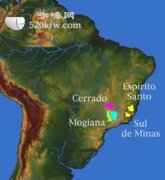
Brazilian coffee generally refers to coffee produced in Brazil. There are many kinds of coffee in Brazil. Like other Arabica coffee, Brazilian coffee is called Brazils to distinguish it from Milds coffee. The vast majority of Brazilian coffee is unwashed and sun-dried and is classified according to the name of the state of origin and port of transport. Brazil has 21 states and 17 states produce coffee, but four of them produce the most coffee.
Boutique Coffee Coffee from Brazil
The low-acidity, moderately roasted coffee beans from the World Coffee Center are vividly compared to the giants and monarchs of the coffee world. There are about 3.97 billion coffee trees there, and small farmers now grow 75% of the country's coffee. The number of coffee producers in Brazil is twice or even three times that of Colombia, the second largest coffee producer in the world. With

Brazilian coffee has a low sour taste, sweet and bitter taste, and the entrance is very smooth with a hint of grass and a slight bitter fragrance.
Brazilian coffee generally refers to coffee produced in Brazil. There is a wide variety of Brazilian coffee, the vast majority of which are unwashed and sun-dried, classified according to the name of the state of origin and the port of transport. Brazil has 21 states and 17 states produce coffee, but four of them produce the largest, accounting for 98% of the country's total output. Brazilian coffee has a low sour taste, which goes well with coffee.

Introduction to the description and treatment method of Manor Environment and Flavor in the characteristic Map of Coffee Bean planting Base in Brazil
Introduction of Brazilian coffee beans in Brazil, the largest production is Robbins coffee. This kind of coffee is sold in the supermarket. Brazil's Robucht coffee, sold under the name Conillon, accounts for 15 per cent of total production. Old bourbon coffee is grown on some estates in the Serrado district of Minas Greais state in southeastern Brazil. These estates, such as Capub.
Boutique coffee beans Brazilian coffee the latest coffee information flavor introduction
Brazilian coffee generally refers to coffee produced in Brazil. There is a wide variety of Brazilian coffee, the vast majority of which are unwashed and sun-dried, classified according to the name of the state of origin and the port of transport. Brazil has 21 states and 17 states produce coffee, but four of them produce the largest, accounting for 98% of the country's total output. Brazilian coffee has a low sour taste, which goes well with coffee.